
My Listening Party
DISCOVER.
Find what you didn't come looking for.
Listen Differently
Go Somewhere
Now in the ecosystem
Someone You Don’t Know Yet.Step into Discover Fest and meet what's coming next. →
Find what you didn't come looking for.
Listen Differently
Go Somewhere
Now in the ecosystem
Someone You Don’t Know Yet.Step into Discover Fest and meet what's coming next. →
Inside the Music » Behind the Record: HENNI
Posted by My Listening Party Sep 12
1.3K views

A record reconstructed from the people who heard it becoming something else.
Some records begin with a beat. Some begin with a hook. HENNI began with something that had almost been forgotten.
BJ So Cole and Wildboy Woody were together going through older music. BJ sent Woody vocals he had recorded previously and stepped out to the gas station.
Woody stayed behind. Somewhere inside those vocals, he heard it: “When I get the Henny…”
By Woody's recollection, BJ hadn't been gone very long before the beginnings of the record were already sitting there. BJ remembers returning, hearing Woody working with his voice, and something stopping him.
Memory doesn't always preserve creation in exactly the same order. Woody remembers building HENNI. BJ remembers recognizing it. Both memories lead to the same room—and the same record.
The voice Woody was manipulating hadn't originally been recorded for HENNI. BJ had created the vocals during an earlier period of experimentation, for an entirely different musical context.
That intended use never really happened. The vocals remained. Then they sat—until Woody heard something inside them that hadn't existed the first time they were recorded.
The record came from reframing. Something unfinished became source material. Something overlooked became the center. One line became the door into an entirely different song.
This is where BJ and Woody's creative relationship becomes important. Woody heard pieces. BJ heard possibility.
There wasn't a long meeting about what HENNI should become. They reacted. BJ describes himself and Woody as creatively “yoked” (his word)—two people capable of recognizing where the other person is going.
BJ's voice doesn't feel placed on top of the beat. It feels like the beat is responding to him. His vocal is commanding. The production moves around it.
And then comes the sound that made me stop listening casually.
I had been listening to HENNI repeatedly for days. There was something I couldn't shake: the piano.
It sounded old to me. Not old as in outdated. Old as in lived-in. Wild. Southern. A little unruly. It made me think about a room where people have been drinking and dancing long enough for everything to loosen.
But BJ's voice didn't belong to the past. His delivery sounded contemporary—almost futuristic against it. I kept hearing two periods occupying the same record.
BJ told me that the juke-joint feeling was already living around his thinking about the record and its visual world. But when I asked Woody about that piano, his answer changed the question.
Woody listens to older music—melodies, pianos, electric guitars, pieces of sound that catch his attention. Then he manipulates them. Chops them. Rearranges them. Finds a tempo where they can live against the bounce structures he already understands as a DJ.
I was trying to connect the finished sounds intellectually. Woody kept telling me, in different ways: We just create. That's just how we know.
After enough repetitions, the words stopped behaving like ordinary language. They became percussion. Then chant.
At moments, to my ear, the repetition almost took on the feeling of spiritual utterance—the point where the meaning of an individual word matters less than what its repetition is doing to the body.
So I asked: What is he actually saying?
Woody's answer was simple. It came from BJ's vocal. He found the fragment. He liked it. He punched it. Then looped it. And looped it again.
My experience of the sound is a listener's interpretation. Woody wasn't claiming he sat down intending to manufacture that symbolism. His experience as a DJ told him where repetition should happen, where the beat should change and where a crowd would respond.
I kept searching for the connection. Why that piano? Why that repetition? Why does BJ's voice sit against the production that way?
And sometimes the answer was: they knew.
Not because every decision had been diagrammed beforehand. Because they had spent years listening. DJing. Performing. Producing. Watching people react. Hearing bounce. Hearing older records. Recognizing melodies. Learning where a beat needs to fall.
Woody describes building the core orchestration. Showboy Ricky then helped bring that construction into a cleaner studio form—tightening it, shortening it and helping the vocal come through more clearly, as Woody describes it.
Creation didn't happen in one clean line. It moved between people. Between old vocals and new ideas. Between instinct and refinement.
If you could keep only one record you've produced—one—which would it be?
The record is finished. The questions aren't. Behind the Record reveals the creativity. Five Questions reveals the person.
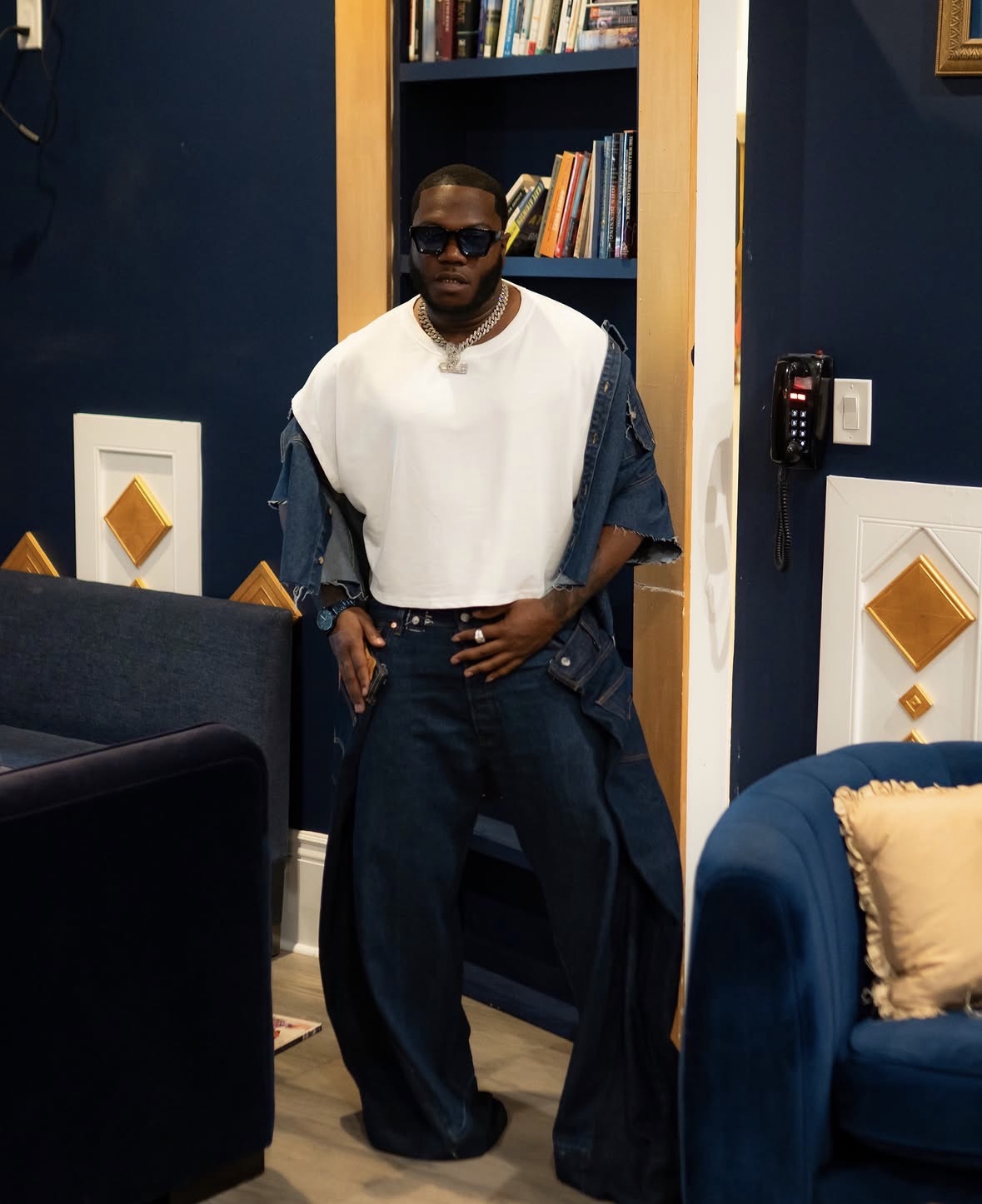
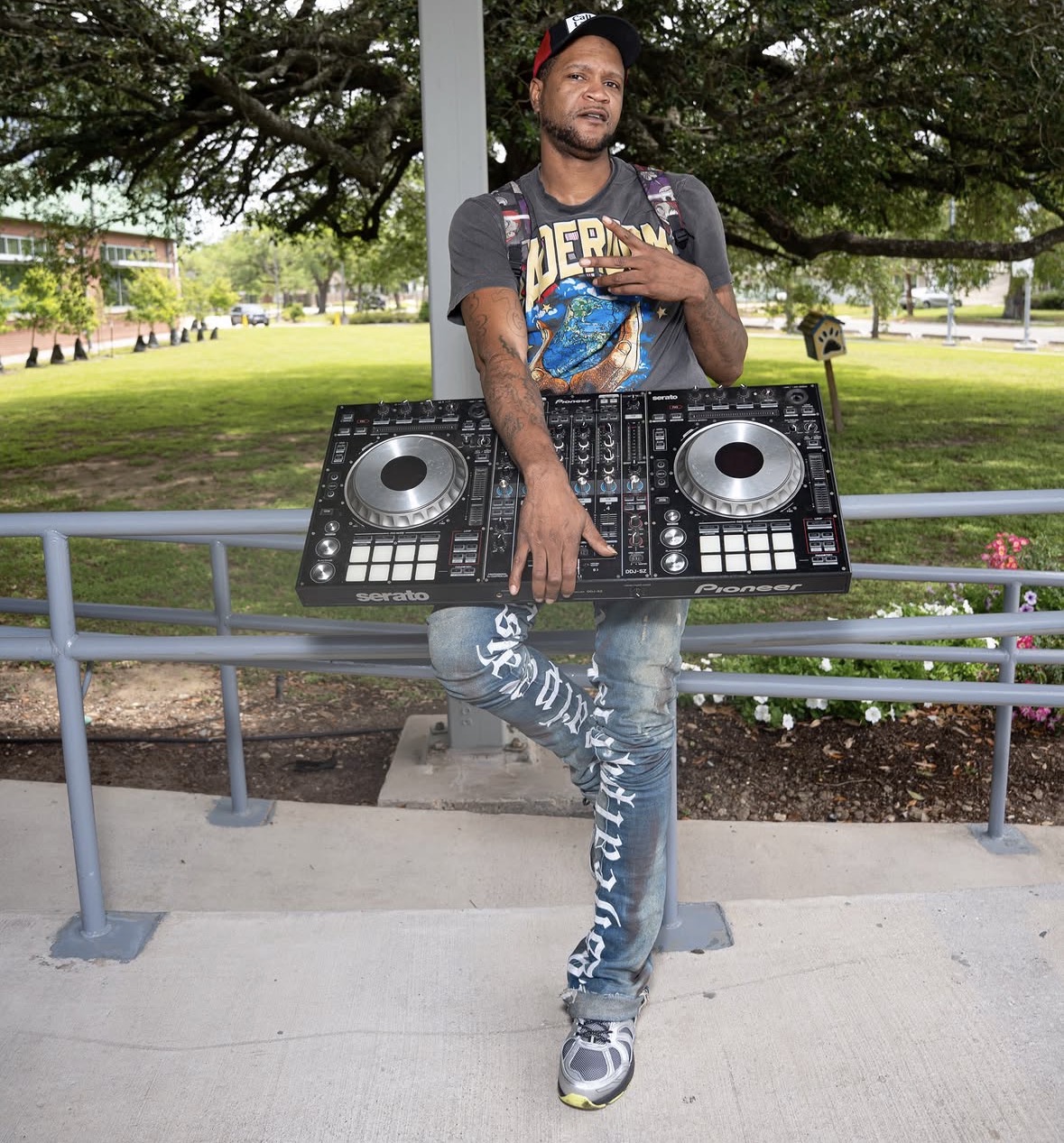
Woody's answers move from food and music into loss. Asked about heartbreak that changed him, he talks about losing his mother, father and sister. Asked for a moment he would relive, he brings the conversation back to his sister. The recording doesn't preserve enough surrounding detail to tell the rest for him—so we don't.
The conversation moves from oysters and music into heartbreak, memory and the part of himself that keeps appearing in his records: fun, laughter, and the desire for the record to feel good.

Comments